If you have been navigating Georgia’s medical cannabis landscape for the past decade, you know the drill: we spent years treating “Low THC Oil” as a vague, singular concept. But since the implementation of the frameworks introduced by SB 220 and the subsequent legislative expansions, the ground has shifted beneath our feet. As a former reporter who has spent 11 years covering the evolution of these state agencies, I’ve watched patients struggle to translate "potency" into "compliance."
The biggest hurdle right now is a fundamental misunderstanding of math. Patients are still looking for a "percentage cap" on their labels, while the law is increasingly focused on the total milligram (mg) content of the product. If you’re still shopping by looking for a "10% or 20% label," you are missing the mechanism that actually determines whether you are in possession of a legal medical product or violating the state’s strict, volume-based possession limits.
The Shift: From Percentage to Total Milligram (mg)
In the "old" days of the Low THC Oil Registry, the emphasis was on maintaining a ceiling of 5% THC by weight. It was simple, if blunt. However, the maturation of Georgia’s medical cannabis framework—bolstered by SB 220 and the regulations managed by the Georgia Access to Medical Cannabis Commission (GMCC)—has introduced a more nuanced approach. The state moved away from a strictly binary, low-percentage mindset toward a framework that measures total THC content.
Why does this matter? Because percentage is a measure of concentration, not dosage. If you have 20 ounces of oil at 5% THC, you have a vastly different amount of psychoactive substance than if you have 1 ounce at 5% THC. By shifting the focus to total milligrams, the state is attempting to quantify the actual exposure, regardless of the carrier medium's volume.
The Math Problem: Why Percentages Lie
Let’s look at the numbers. If you buy a product that is labeled "5% THC," that number tells you that 5% of the total mass of the product is THC. To determine if you are within the legal limits defined by the state’s registry and the purchasing allowance, you have to do the conversion:
- Total Product Weight (in grams) x Concentration (as a decimal) = Total THC (in grams). Total THC (in grams) x 1,000 = Total THC (in milligrams).
The state doesn’t want you to be a chemist; they want you to be a responsible patient. If a package has 500mg of total THC, that is your "budget" for that specific product. Whether that 500mg is spread over 10ml or 100ml of oil, the possession of that 500mg of THC is what the regulators track. Always double-check your total mg count before leaving a dispensing location. If you calculate your total milligrams and it exceeds your permitted supply thresholds, you are creating a liability for yourself that the law will not protect.

Possession Limits vs. Dosage: Don’t Mix Them Up
One of the most irritating things I see in patient forums is the conflation of "possession limits" with "dosage recommendations." Georgia law (via the Georgia DPH Low THC Oil Registry) explicitly limits the amount of Low THC Oil a registered patient can possess at one time. Currently, that limit is 20 fluid ounces.
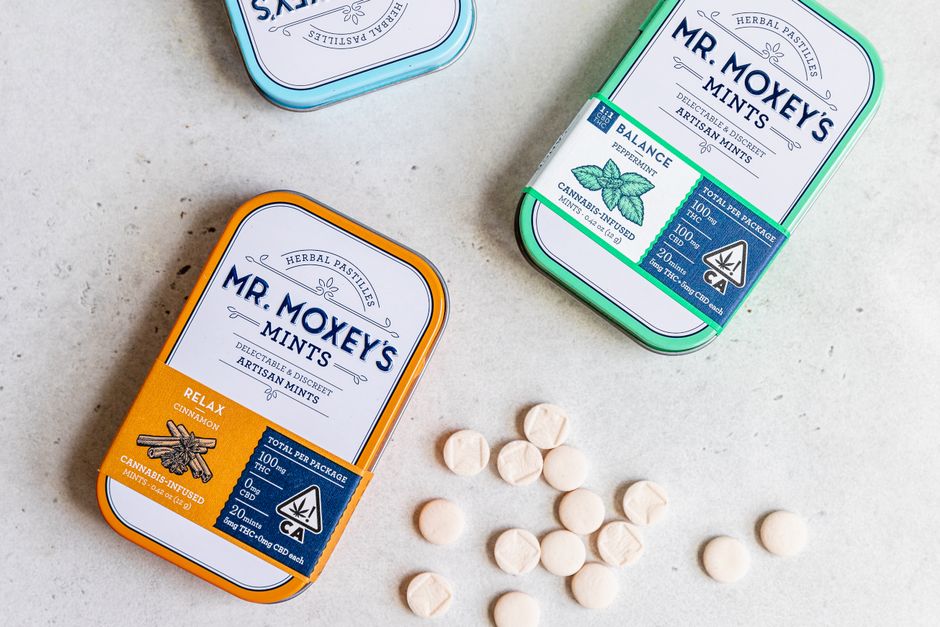
However, SB 220 and the rules governing the new dispensaries have complicated this by adding strict labeling requirements for total THC. Think of it like this: your 20-ounce limit is your "storage space." Your total milligram limit per purchase is your "shopping allowance." If you ignore the milligram labeling, you might inadvertently find yourself in a scenario where your "storage" is full, but your "potency" is higher than the state-mandated caps allow for specific types of products.
Concept What It Measures Why It Matters Percentage Potency Concentration of THC per gram/ml Useful for dosing, irrelevant for state legal thresholds. Total Milligram (mg) Content Total mass of THC in the package This is what law enforcement and the DPH use to determine "possession." Fluid Ounce Limit Total volume of the product The absolute ceiling for what you can physically possess (20 fl oz).What People Miss: The Labeling Trap
People often miss the "COA" (Certificate of Analysis) included with their product. Many patients look at the front of the box, see a "Low THC" marketing label, and assume they are in the clear. But SB 220 mandates strict labeling that includes the total mg content. What people miss is that the label is not a suggestion—it is the evidence.
If you are stopped and your product is tested or questioned, the authorities are not looking for the "10% sticker." They are looking at the lab-verified total THC content printed on the official state-compliant packaging. If that number exceeds the statutory limit for your specific medical status, the "medical" label on your card might not save you from a possession charge. Always keep your packaging and ensure the total mg count is clearly visible and documented.
Expanded Conditions: A New Responsibility
SB 220 was a major win for patient advocacy because it expanded the list of qualifying conditions. Patients dealing with lupus and intractable pain are now eligible for the registry. This is a massive shift in how the state views "medical" cannabis—moving from "end-of-life care" to "chronic management."
With this expansion, the responsibility has also scaled up. Chronic pain patients often require physical registry card Georgia more consistent dosing, which means they are interacting with the dispensary system more frequently. If you are using cannabis for chronic pain, you are more likely to have multiple products in your home. This is where the milligram tracking becomes vital. You must treat your supply like a pharmacy, not a pantry. Track your milligram intake to ensure you don’t exceed your possession allowance while maintaining your treatment schedule.
Patient Checklist: How to Stay Legal
Stop guessing and start tracking. Use this checklist every time you visit a dispensing location in Georgia.
- Verify the Source: Ensure the product comes from an authorized GMCC-licensed facility. If it’s "dispensary weed" from another state, it’s illegal in Georgia, regardless of what the package says. Check the COA: Ask the pharmacist or dispensary staff for the Certificate of Analysis. It will confirm the total mg of THC. Calculate Total Mg: Before you finalize your purchase, sum up the total mg of all products in your shopping bag. Does it align with state guidance on supply? Audit Your Shelf: Once a month, check your supply against the 20-ounce fluid limit. Keep a simple spreadsheet or note on your phone. Keep it Original: Never take your oil out of the state-compliant, labeled packaging. If the packaging is damaged or the label is illegible, you are at risk.
The Bottom Line
Georgia’s medical cannabis program is no longer just about "oil." It is a regulatory system that prizes data over generalities. The shift to a milligram-based possession model is designed to provide safety, but it places the burden of tracking directly on the patient. Don't be the person who gets caught because you were looking at percentages when the law was looking at milligrams. Stay informed, keep your records, and prioritize compliance so you can focus on the reason you entered the registry in the first place: your health.
Disclaimer: I am a former reporter, not an attorney. This information is for educational purposes based on my analysis of Georgia public health laws. Always consult with the Georgia Department of Public Health (DPH) or legal counsel for guidance specific to your personal circumstances.